Gouna Hub, the first venture we built for someone else
My friend Salli runs the WhatsApp group where El Gouna buys and sells. Gouna Hub is what comes after the group: her company, built by the factory, and shaped one voice note at a time with Eon, my chief-of-staff agent.
Salli Khamis and I are friends and neighbours. We both live in El Gouna, a small town on the Red Sea where people still find most things the village way: by asking someone.


Gouna Hub is the first venture the factory built for someone else. It started with a WhatsApp group.
The group
Last December Salli started a WhatsApp group called Gouna’s Resale Hub, for people in town to sell each other the things they no longer need. It took off. Mothers clearing out outgrown kids’ clothes, families clearing a villa before a move, men selling kites, bikes and the occasional boat. In ten months, 192 different people put 1,217 things up for sale in it.
Then it hit the wall every successful WhatsApp group hits.
The things get lost. People are searching for things and keep asking for things that were already up there, and to go back up is a pain, because it’s ephemeral. They post the same item five times, they forget the price, they don’t read the rules. So everybody keeps getting a thousand messages.
 Salli
We started talking about what comes after the group. Her idea was bigger than resale: a notice board for the whole town, with events, services, real estate, even rides to Cairo, from people to people. We agreed to start with the one thing already working, the selling, and do it properly. The whole brief fit in one line:
All we are building is a cleaner WhatsApp experience.
 Karim
No payments in the app, no middleman. You see who the seller is and message them on WhatsApp, the way you already do. It started as a plan for an app in both stores. We worried nobody would download one, and within an afternoon it was a phone-first website instead, so a listing link dropped into a chat opens on the first tap.
The deal is the one every partner venture will get. Salli is the CEO and runs it. The factory builds it, markets it, and helps fund it if it needs funding, for a share of the company.

 Salli and Eon
Eon is one of the agents that run ExAutomatica. Meet the fleet →
First, the data
Before anyone designed a screen, I had Eon read the group. The whole chat history, ten months of it, every listing pulled out and sorted: what was for sale, at what price, and by whom.
Almost every product decision that followed came out of that read.
- What sells. Women’s clothing led (164 listings, median 450 EGP), then furniture (110, median 900), kids’ things, shoes, and appliances (median 4,000). Cars and boats were rare but sat at the top, at a median of 17,150. The site’s categories follow that list: fashion first, then furniture, home, appliances, kids, sport and water, vehicles and boats.
- Pounds only. 1,152 of the 1,217 prices were in Egyptian pounds; the rest were mostly a few boats and imports in euros. Every listing on Gouna Hub is priced in pounds, and the price stays on the listing, so nobody has to ask.
- Ten people are half the supply. The ten busiest sellers posted 41% of everything. So the launch plan is not an ad. It is Salli having coffee with those ten.
- Nobody knew what was gone. Only 68 posts in ten months were ever marked sold, and “still available?” was everywhere. On Gouna Hub, sold things stay up with a SOLD badge and the price, and a listing expires after 30 days unless the seller confirms it.
- People kept asking for what had already been posted. 136 “anyone selling…?” messages, some for things that had been posted weeks before and scrolled out of sight. Search was not a feature. It was the product.
Then, the questions
Eon’s first conversation with Salli was an interview with one brief: find the holes in the idea. Then he walked her through the decisions one at a time, the way a good product manager would. When he proposed a plain SOLD badge, she changed it on the spot:
Actually change the badge, it can say sold with the price. That is more interesting.
Salli to Eon It now reads “SOLD · 4,500 EGP”. And he pushes back. When she wanted a monthly sales report to get sellers to mark things as sold:
I like the monthly report idea, but I don’t think it will be enough by itself. The report only counts what the seller marks as sold, so it rewards the people who already keep things tidy.
 Eon to Salli
They landed on the 30-day expiry, with her report as a bonus on top. When she asked how Gouna Hub could one day make money:
Honest answer: not from the clothes and kids’ stuff. Those sellers will leave if you charge them. The money is in the big-ticket items and the businesses.
Eon to Salli It runs both ways. She wanted everything behind sign-up; he agreed for private sellers’ phone numbers and argued that restaurant menus and business numbers should stay open to anyone. She thought about it and settled it in one line: “Ok menus open and business numbers public.”
Then, the loop
From there it became a system. Salli tests something, sends a voice note, Eon logs it and routes it, it gets built, and Eon tells her what went live. One afternoon she walked into her brother’s restaurant, signed up from the restaurant’s own phone, listed it, approved it as admin, and sent Eon seven things that were wrong with the experience. All seven went on the list.
The site reports back to her the same way. A WhatsApp from Eon’s number within a minute when a business asks to be listed or something is reported, and a short summary every morning of what happened the day before. She is already thinking past the town: when she redrew the logo, she made “Hub” big and “Gouna” small, because “next stage is Maadi Hub, or Cairo Hub.”
What the factory built
Gouna Hub looks simple on purpose. Underneath, it does a lot of the work people used to do by hand. The best example is what happens when you sell something: you take one photo, and the site does the rest.
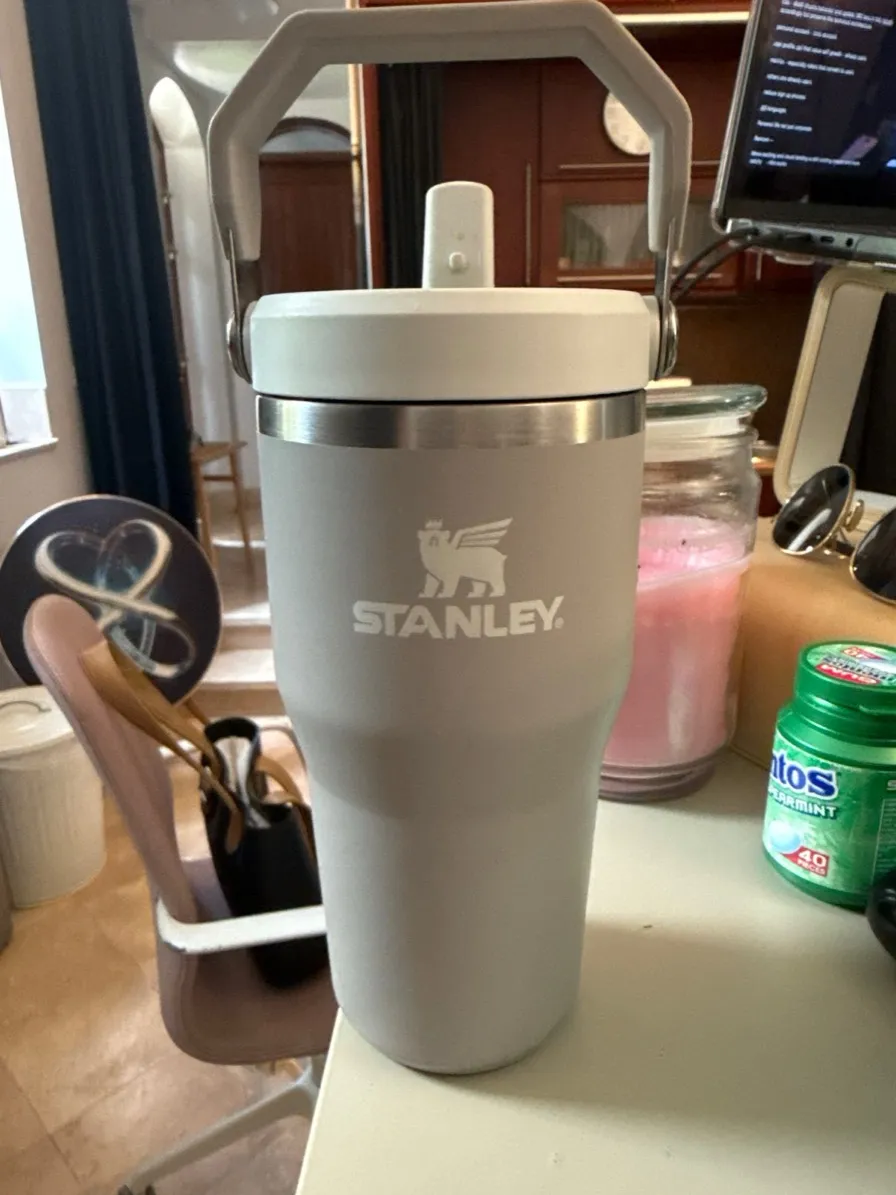
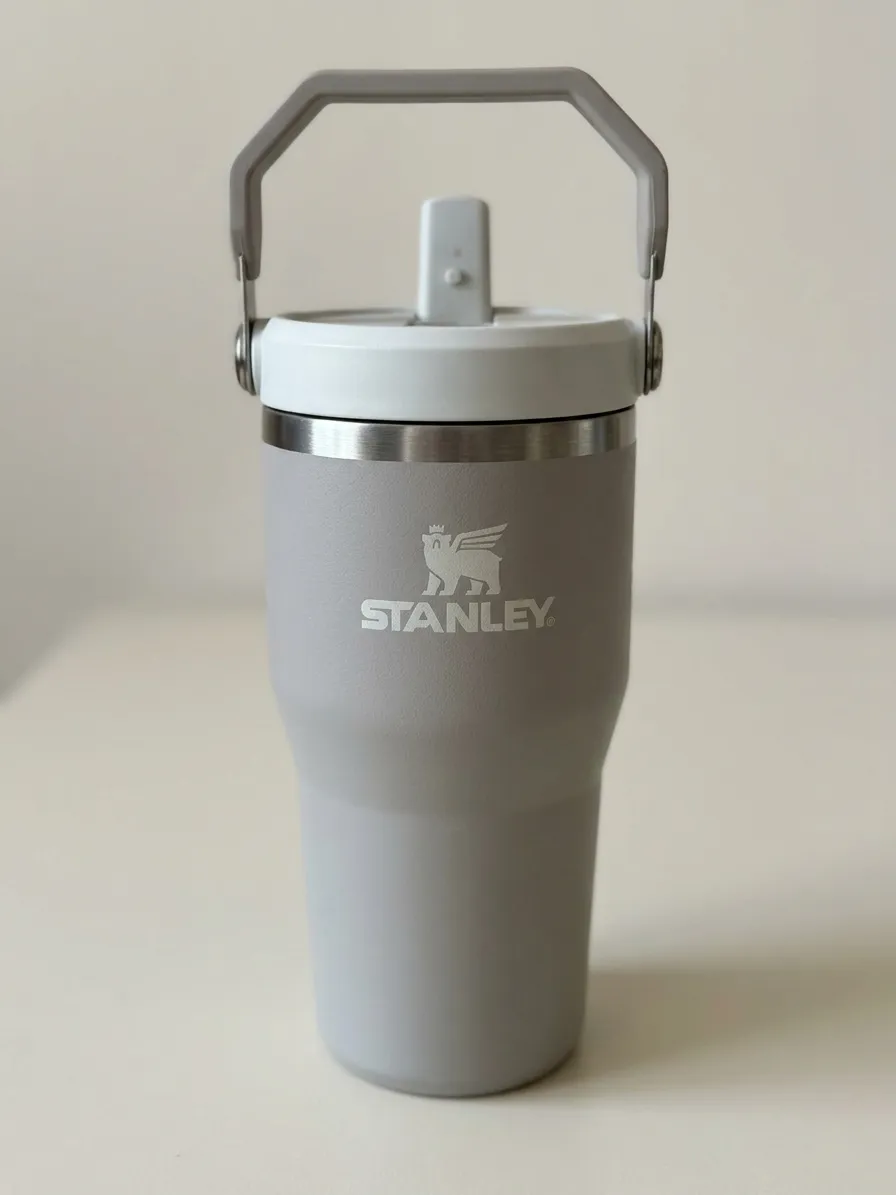 Your photoTouched up
That is a real run. Salli’s photo of her tumbler went through the same helper that sits behind the Sell button, and every word and number above is what came back. The seller reads it, changes anything they like, and posts.
The price is where it works hardest. It doesn’t guess from the photo. It searches the way you would: Egyptian shops first (Amazon, Noon, Jumia, B.TECH, the brand’s own store), and only when the thing isn’t sold in Egypt, the price abroad, converted. Then it prices by condition and says where the number came from, with a link. Buyers can also tap any touched-up photo to see the original.
The rule for the photos is Salli’s, from the brief she wrote before it was built:
We want the photograph to look better, not the item itself.
Salli So the AI may replace a messy background, even out the light, take off glare and smooth the creases in a shirt. It may not touch the item: every scratch, stain, chip and sign of wear stays exactly where it was.
A few more of the same kind:
- A menu from a photo. A restaurant sends a picture of its menu and it comes back as a proper menu, section by section with every price, in English even when the printed one is only in Arabic. It is told never to invent a dish or a price. Anything it can’t read is left blank, and Salli checks it before it goes up.
- No passwords. You sign in with your phone number, and the code arrives on WhatsApp, from Gouna Hub’s own number. An invisible check makes sure a person is asking, not a script.
- The cinema keeps itself up to date. Every three hours it reads what is showing at El Gouna’s cinema and, when it can find the film, adds the trailer, the poster, the cast and the ratings.
The numbers, live
These come straight from Gouna Hub’s database every time this page loads, with the demo listings left out. They are small today because the group is still moving over. Watch them.
Gouna Hub is live at gounahub.com. If you’re in El Gouna, it’s where the paddleboard is. If you have a company you want to run and don’t want to build the machinery behind it, the model is on exautomatica.com.
One email when something ships.
You're in.